Whether you are launching a new business or looking to replace an email marketing provider that no longer fits, choosing the right platform is rarely straightforward. The market is crowded, and every tool promises the same headline features. To cut through the noise, here are seven proven email marketing platforms worth considering in 2026, with a clear breakdown of what each does best.
1. Best Overall: Moosend
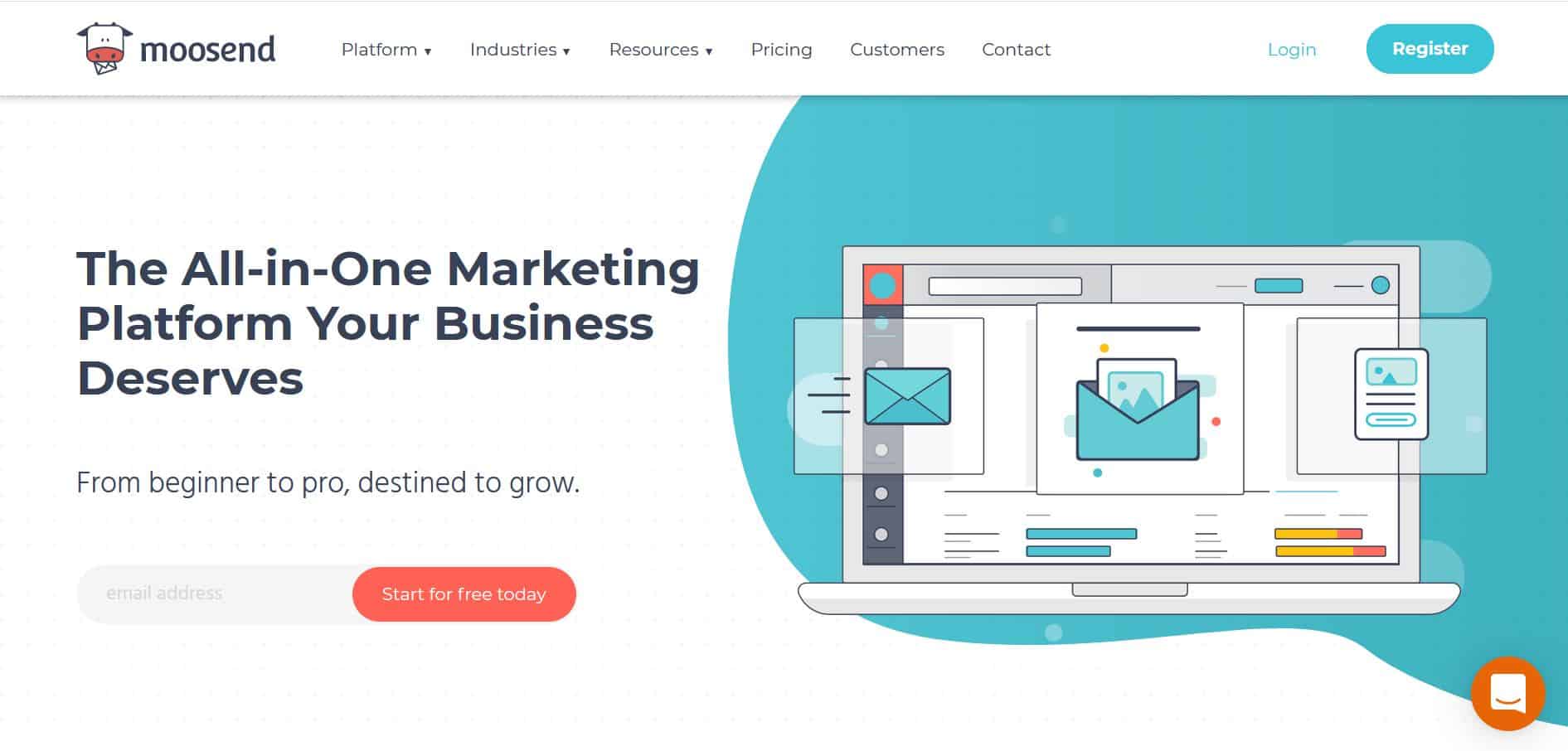
Since opening for business in 2011, Moosend has built a reputation as one of the most versatile and reliable email marketing platforms available. It is used by companies of every size, from first-week startups to Fortune 500 names. Its appeal becomes obvious within minutes: the interface is intuitive, and the advanced list segmentation lets you split your audience into tightly focused groups.
Getting up to speed with Moosend is far quicker than with most competitors, but do not mistake that simplicity for a lack of depth. The drag-and-drop campaign editor helps you work faster while keeping you focused on the task rather than wrestling with a convoluted menu system.
Key features of Moosend
- A drag-and-drop campaign editor that is genuinely easier to learn than most rivals, yet still capable enough for advanced campaign planning.
- Countdown emails that let you build a sense of urgency or scarcity, nudging subscribers toward quicker decisions.
- Multiple options for importing subscriber lists from external sources such as spreadsheets, plus a simple copy-and-paste workflow.
- Powerful audience segmentation, with subscribers who appear on multiple lists counted only once so your numbers stay accurate.
- Automation tools included on every plan, so you can time emails to each subscriber's time zone and maximize engagement.
- Real-time reporting that gives a fast but comprehensive read on how each campaign is performing.
- Integrations with many CRM systems, letting you retain existing customers while attracting and building loyalty with new ones.
- A required unsubscribe option on every campaign, which keeps your list populated with genuinely engaged subscribers.
Moosend pricing
- Free tier: unlimited emails, sign-up and subscription forms, plus reports and analytics.
- Paid plans start at an affordable monthly rate and add landing pages, phone support, transactional emails, and an SMTP server.
- Custom plans: pick the features you need and pay only for what you use.
Pros
- A feature-rich free version.
- High-quality customizable templates.
- Built-in automation that makes campaign optimization simple.
Cons
- Sign-up forms could be more polished.
- Loading times are occasionally slow.
2. Runner-Up: Brevo (formerly Sendinblue)
Brevo, the platform previously known as Sendinblue, was built to solve a specific problem: how small and medium businesses could run serious email marketing automation on a modest budget. What began as a digital agency has grown into one of the more ambitious players in the space.
The feature set is broad, spanning a built-in CRM, marketing automation, SMS, transactional emails, and landing pages, all at competitive pricing that makes Brevo an excellent choice for startups chasing value. It also offers a strong WordPress plugin, and with a large and active global user base, it is a genuinely popular pick.
Key features of Brevo
- A capable free plan that includes a daily email allowance and marketing automation.
- Advanced options such as lead scoring and web tracking for those who need them.
- Pricing based on the volume of emails you send rather than the size of your contact list.
- Excellent automation for the price, with workflow-based triggers driven by visitor behavior, transactional messaging, lead scoring, and more.
- A built-in landing page builder with modern templates and a beginner-friendly interface.
- Strong value, typically undercutting comparable tools on cost.
Brevo pricing
- Unlimited contacts on all plans.
- A free plan with a capped number of daily emails.
- Paid tiers scale by monthly email volume, with pricing that remains among the most affordable in the category.
Pros
- Multichannel reach: use it for SMS as well as email.
- A strong free plan for anyone just starting out or working without a budget.
- Automation features that punch well above the price.
Cons
- Fewer integrations than some competing tools.
3. Constant Contact
Constant Contact is one of the oldest tools in the market, dating back to 1995, and it has grown into one of the most widely used email platforms worldwide. Over the years it has added distinctive features such as social campaigns and surveys that are hard to find elsewhere, alongside the staples like recurring newsletters and automation.
Its marketplace offers hundreds of apps and integrations, with something for nearly every product or service.
Key features of Constant Contact
- Niche features that competitors rarely match, including event management.
- Strong support for businesses that run events, covering invitations, registrations, and tickets.
- An easy-to-navigate interface with a logical layout.
- A fast, straightforward newsletter template editor.
- Excellent deliverability across the major email providers.
- Useful reporting, including click heat maps, open and click trends, top-performing subject lines, and opens by device.
Constant Contact pricing
Pricing scales with the size of your subscriber list, starting with an affordable entry-level tier for small lists and rising as your audience grows. Check the current plans on their site, as tiers are periodically refreshed.
Pros
- A wide range of niche tools and integrations you will not find with most rivals.
- Excellent event management features.
Cons
- Automation could be stronger.
- Personalization and customization are fairly basic.
4. ActiveCampaign
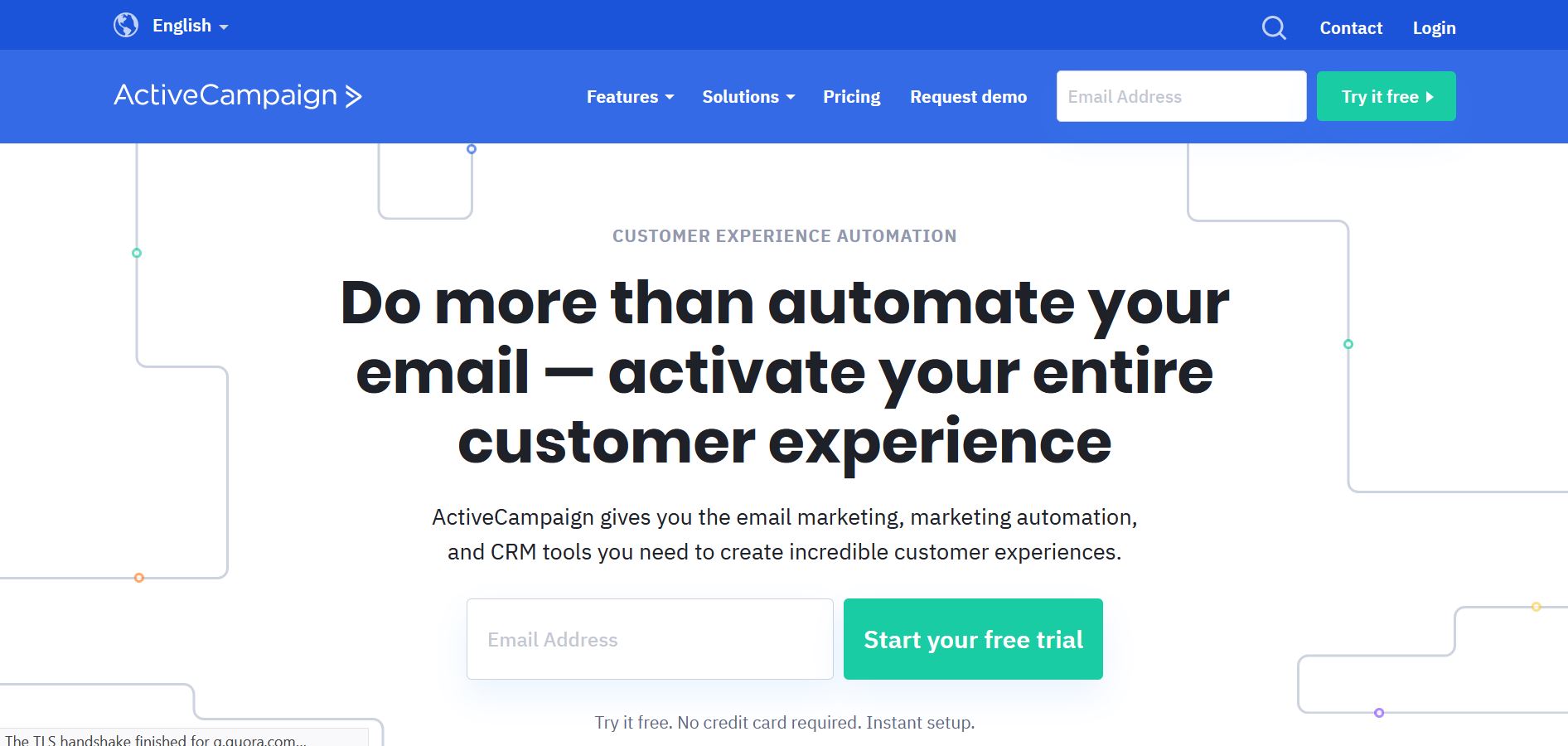
ActiveCampaign offers almost everything you need whether you are running a lean startup or an established company. The platform leans heavily on automation, with a stated goal of helping customers send fewer emails while getting better results.
Autoresponders come as standard with ActiveCampaign and can be triggered by a wide range of conditions. You can also automate contact and list management and configure automation inside the built-in CRM, known as Deals, which lets you add notes to contacts, message them directly, and schedule appointments.
A customer messaging feature also lets you send targeted messages to site visitors to improve their experience. Much of the platform's appeal comes from its focus on helping you build genuine, lasting connections with your customers.
Key features of ActiveCampaign
- Powerful automation that is also surprisingly easy to use.
- Excellent deliverability, consistently strong in independent tests.
- Detailed reporting covering page visits, click maps, and geo-tracking, with purchase tracking for platforms like WooCommerce and Shopify on higher tiers.
- Free migrations if you are switching from another provider.
- A built-in CRM that links your email data so sales teams can act faster, with lead scoring and social data.
- Multichannel reach across email, SMS, and social ad audiences.
ActiveCampaign pricing
ActiveCampaign uses tiered plans that scale with features and contacts, from an entry-level tier suited to small teams up to higher tiers for larger operations. Current rates are listed on their site.
Pros
- Top-tier automation, ideal for busy teams that want to save time.
- A built-in CRM for managing contacts and sales pipelines.
- Additional channels such as SMS and social media.
Cons
- The dashboard can feel busy until you learn your way around.
5. MailerLite
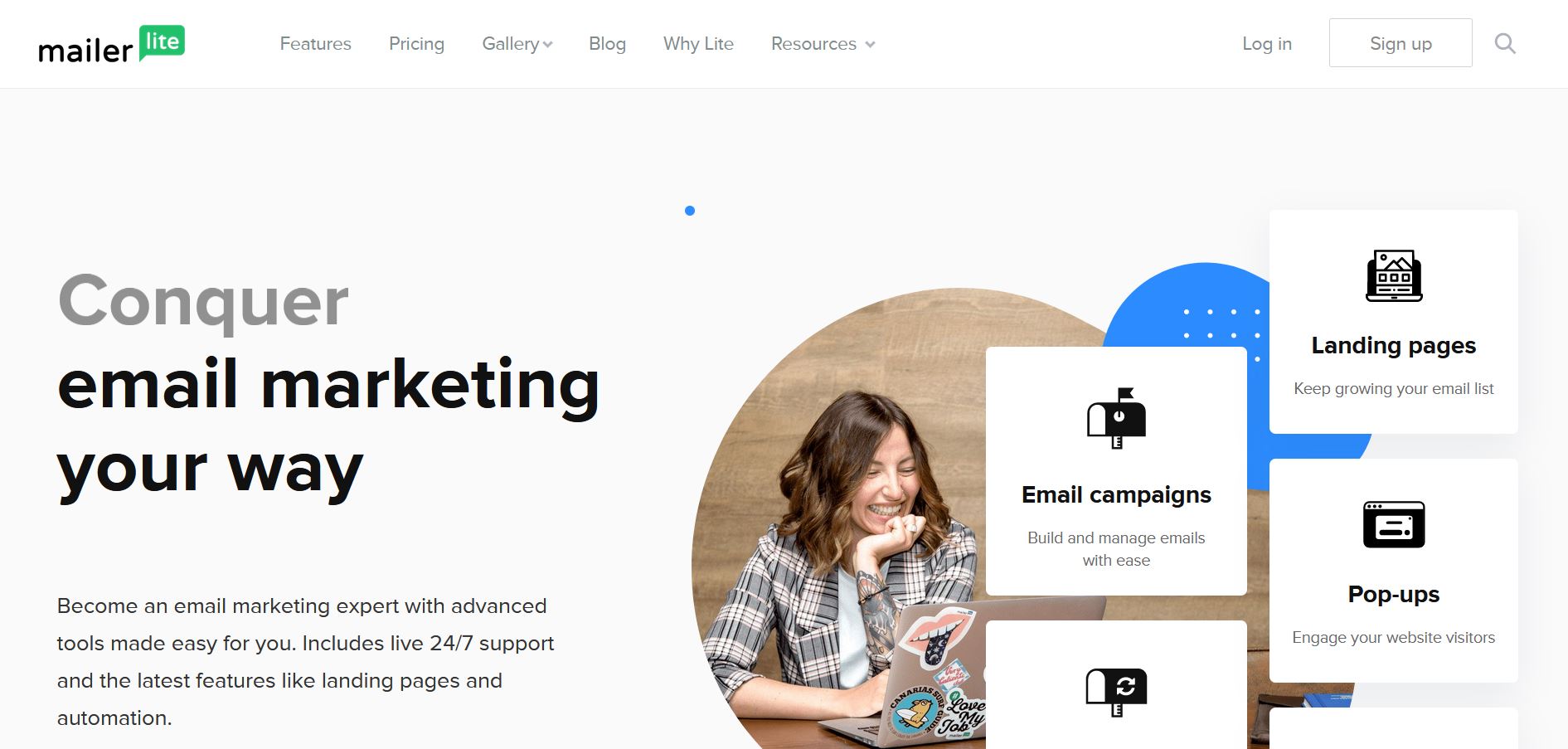
MailerLite is an ideal starting point for anyone new to email marketing. It is aimed at small businesses, freelancers, and solo founders who need more than a basic newsletter tool. Features include contact tagging and segmentation, automation workflows, and a landing page builder, giving you everything required to run a solid campaign.
It is also very affordable, which makes it appealing for anyone on a tight budget. You get a lot for the money, with features tailored to bloggers and online creators, such as video marketing and WordPress integration.
Key features of MailerLite
- A generous free plan that includes marketing automation.
- A landing page editor that lets you design pages hosted by MailerLite on your own domain.
- Blogger-friendly tools including WordPress integration and video marketing.
- A broad feature set that goes well beyond newsletters in MailerLite.
- Automation made simple through contact segmentation.
- An easy-to-use interface that is perfect for beginners.
MailerLite pricing
MailerLite offers a free plan for smaller lists and affordable paid tiers that scale with your subscriber count, keeping it one of the most budget-friendly options available.
Pros
- Among the cheapest options, with a free plan many users will find sufficient.
- A very simple, user-friendly interface.
- Straightforward personalization.
Cons
- Less suited to anyone needing complex automation or in-depth reporting.
6. GetResponse
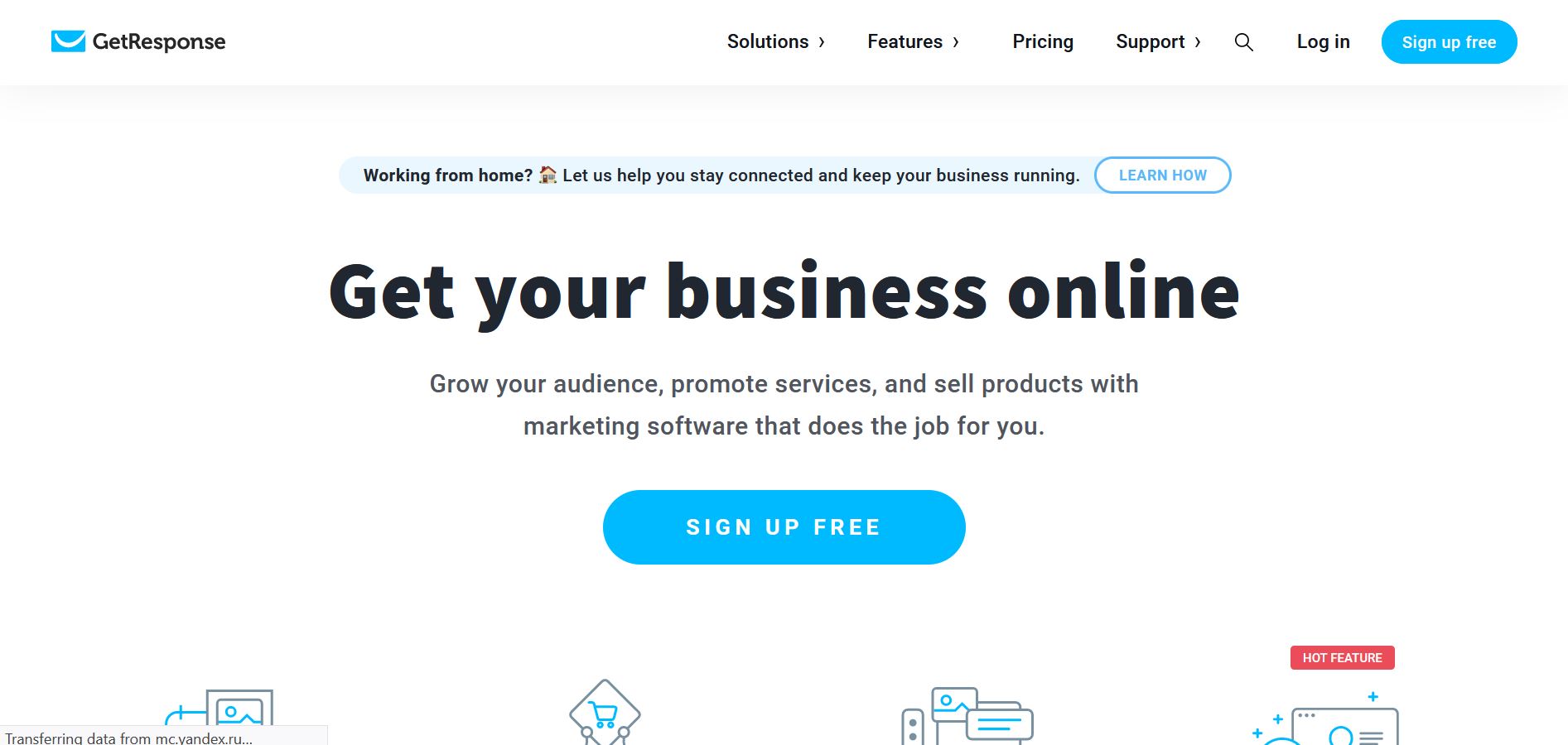
With a deep roster of professional features, GetResponse positions itself as one of the easiest email marketing tools on the market. This Poland-based company is now used in more than 180 countries, and its reach speaks for itself.
It offers far more than email. Custom landing pages, video email marketing, comprehensive design testing, and simple A/B testing are all included, along with strong automation that lets you build advanced campaigns around varied triggers and conditions. Higher tiers add a built-in CRM and a capable webinar feature.
Key features of GetResponse
- An all-in-one marketing platform that reaches well beyond email.
- Intelligent automation with a wide range of conditions for automatic list segmentation.
- Advanced design and spam testing to improve results.
- A Conversion Funnel feature for building sales funnels and landing pages.
- Strong e-commerce support, including Shopify integration, dynamic content, sales tracking, and abandoned cart campaigns.
- A clean, intuitive design with a handy shortcut to your most common tasks.
GetResponse pricing
GetResponse uses subscriber-based tiers that start affordably for smaller lists and scale up as your audience grows. See their site for current rates.
Pros
- Designed to be easy to use.
- Excellent for e-commerce.
- A strong choice for lead generation.
Cons
- No permanently free plan.
7. AWeber
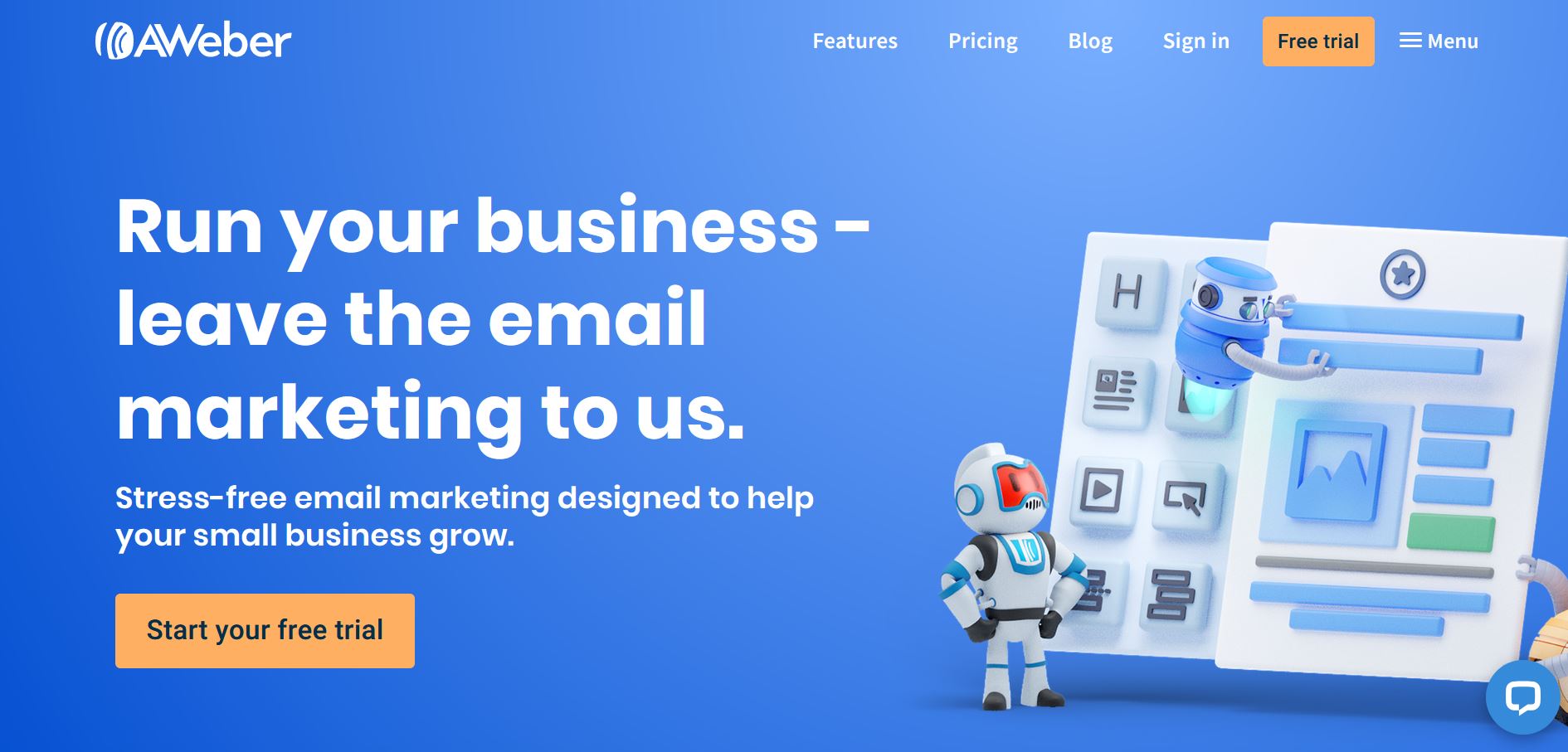
With more than two decades in email marketing, AWeber brings serious experience to the table. The company claims to have invented the autoresponder, so it is no surprise that automation is one of its strongest suits.
Another advantage is that, unlike platforms that gate features behind higher price points, AWeber gives customers full access to its feature set from the start, with pricing that rises only as your subscriber count grows. A limited free plan is also available.
Alongside excellent automation, AWeber offers product sales tracking, branded click-tracking links on your own domain, split testing, a smart email designer, and more, plus a set of mobile apps.
Key features of AWeber
- Excellent phone and live chat support, a genuine strength for a company with this much history.
- Deep automation tools from the platform that claims to have pioneered the autoresponder.
- Full access to every feature even on the lowest paid plan.
- A simple, easy-to-navigate menu structure.
- A capable newsletter builder with responsive templates.
- Strong list segmentation paired with automation.
AWeber pricing
AWeber offers a free plan and paid tiers that scale with your subscriber count, giving full feature access from the entry level upward.
Pros
- Excellent customer service and phone support.
- A solid set of mobile apps.
- Strong sales tracking features.
Cons
- A few features feel dated and are overdue for a refresh.
Choosing the Right Platform
Before you commit, write down the features you actually need and score each platform on how well it delivers them. That single exercise will point you toward the tool that fits your brand and its goals most cleanly. If you want to explore further, read our roundup of MailChimp alternatives for more options.
To learn more about who we are, visit our about page.